Thursday, March 6, 2025

What is PBAT?

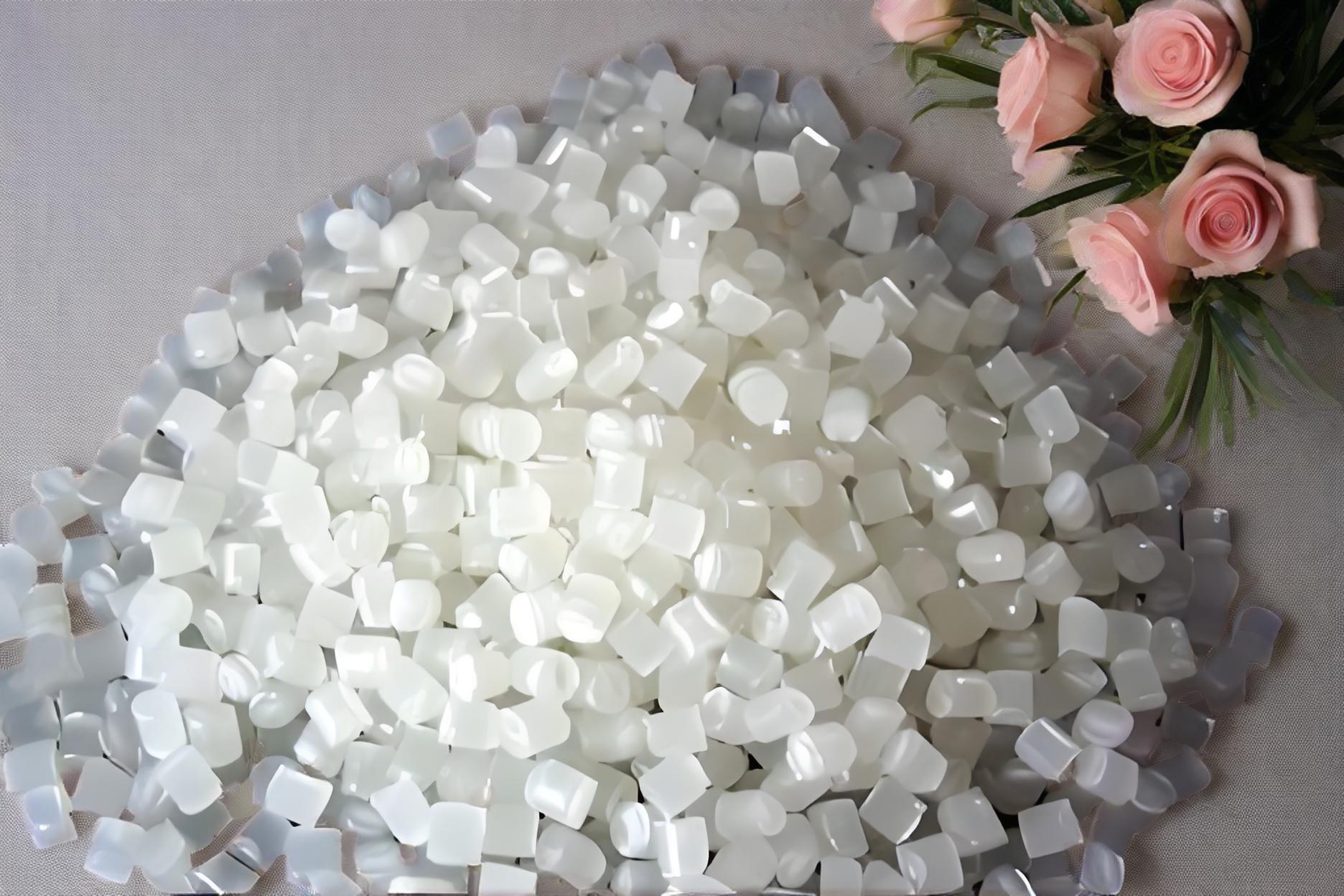
PBAT(Polybutylene Adipate Terephthalate) is a copolyester made from the polymerization of butylene adipate and terephthalate. It belongs to the family of aliphatic-aromatic polyesters, which give it a unique balance of mechanical strength and biodegradability. 


Key properties of PBAT include:

- Flexibility: PBAT is highly elastic, making it ideal for applications requiring pliability.

- Biodegradability: Under industrial composting conditions, PBAT breaks down into water, carbon dioxide, and biomass, leaving no harmful residues.

- Processability: It can be easily processed using conventional plastic manufacturing techniques like extrusion and blown film.

Applications of PBAT in the Biodegradable Industry

1. Packaging Materials

PBAT is widely used in biodegradable packaging films and bags. Its combination of strength and flexibility makes it a perfect alternative to traditional polyethylene (PE) films. For example, PBAT-based compostable shopping bags are gaining popularity in supermarkets and retail stores.

2. Agricultural Films

In agriculture, PBAT is used to produce mulch films that decompose naturally after use, eliminating the need for manual removal and reducing plastic waste in farmlands.

3. Disposable Products

PBAT is a key component in manufacturing biodegradable cutlery, plates, and cups. These products meet the growing demand for eco-friendly alternatives in the food service industry.

4. Blending with Other Biopolymers

PBAT is often blended with other biodegradable materials like PLA (Polylactic Acid) to enhance its mechanical properties. This combination creates materials that are both rigid and flexible, expanding their range of applications.

Why PBAT Stands Out?

PBAT’s ability to biodegrade in industrial composting facilities sets it apart from conventional plastics. Unlike traditional plastics that persist in the environment for centuries, PBAT decomposes within a few months under the right conditions. Additionally, its carbon footprint is significantly lower, contributing to global efforts to combat climate change.

Challenges and Future Outlook

While PBAT is a promising material, challenges remain, such as its higher cost compared to traditional plastics and the need for industrial composting facilities to ensure proper degradation. However, with increasing awareness and government policies promoting biodegradable materials, the demand for PBAT is expected to grow.

Research is also focused on improving PBAT’s properties and reducing production costs, making it more accessible for widespread use.

Conclusion

PBAT is a revolutionary material in the biodegradable plastics industry, offering a sustainable solution to the global plastic waste crisis. Its versatility, eco-friendliness, and growing applications make it a vital component of the shift towards a circular economy.

Are you ready to embrace PBAT and contribute to a greener future? Explore the possibilities of biodegradable materials and join the movement towards sustainability!

Wednesday, March 5, 2025

Pure PLA vs. PLA with Additives: Which is Better for Industrial Production?

The decision to use pure PLA (Polylactic Acid) or PLA with additives in industrial production depends on the specific application, desired material properties, and performance requirements. Here’s a detailed comparison to help you make an informed choice:

1. Pure PLA: Advantages and Limitations

Advantages of Pure PLA:

- Eco-Friendly: Derived from renewable resources and biodegradable, making it a sustainable choice.

- Food Safety: Approved for food contact applications, ideal for packaging and disposable utensils.

- Ease of Processing: Compatible with common manufacturing techniques like injection molding, extrusion, and 3D printing.

- Transparency: Pure PLA can produce clear or translucent products, useful in packaging.

Limitations of Pure PLA:

- Low Heat Resistance: Softens at temperatures above 60°C, limiting its use in high-temperature environments.

- Brittleness: Lacks flexibility and impact resistance, which can be problematic for durable products.

- Slow Degradation: Requires industrial composting conditions for biodegradation, making it less effective in natural environments.

2. PLA with Additives: Advantages and Considerations

Additives can enhance PLA’s properties to meet specific industrial needs. Common additives include plasticizers, impact modifiers, fillers, and antimicrobial agents.

Advantages of PLA with Additives:

- Improved Mechanical Properties:

 - Flexibility: Additives like plasticizers can increase PLA’s elasticity, making it suitable for flexible packaging or films.

 - Strength and Toughness: Impact modifiers can enhance durability and reduce brittleness.

- Enhanced Heat Resistance: Additives such as nucleating agents can raise PLA’s heat deflection temperature.

- Customizability: Additives can provide additional functionalities, such as UV resistance, flame retardancy, or antimicrobial properties.

- Cost Efficiency: Fillers like calcium carbonate can reduce material costs without significantly compromising performance.

Considerations of PLA with Additives:

- Biodegradability Impact: Some additives may slow down PLA’s biodegradation process or make it less eco-friendly.

- Complexity in Production: Incorporating additives requires careful formulation and processing adjustments.

- Cost of Additives: High-performance additives can increase the overall material cost.

3. Applications: When to Use Pure PLA vs. PLA with Additives

Use Pure PLA When:

- Transparency and clarity are essential (e.g., food packaging, transparent containers).

- High mechanical strength is not a priority (e.g., single-use items like cups or cutlery).

- Eco-friendliness and biodegradability are the primary concerns.

Use PLA with Additives When:

- Enhanced properties are required (e.g., flexibility for films, toughness for automotive parts).

- The product needs to withstand higher temperatures (e.g., hot beverage cups, automotive components).

- Additional functionalities are needed (e.g., UV resistance for outdoor applications, antimicrobial properties for medical devices).

4. Conclusion: Which is Better?

The choice between pure PLA and PLA with additives depends on the specific needs of your industrial application:

- Pure PLA is ideal for simple, eco-friendly applications where transparency and ease of processing are key.

- PLA with additives is better suited for demanding applications that require enhanced mechanical properties, heat resistance, or specialized functionalities.

Ultimately, blending PLA with additives offers greater versatility and performance, but it’s essential to balance these benefits with the material’s eco-friendliness and cost considerations. Evaluate your application requirements to determine the best approach for your industrial production needs.

What is PLA Resin?

PLA Resin(Polylactic Acid Resin) is a biodegradable and bio-based thermoplastic derived from renewable resources such as corn starch, sugarcane, or other plant-based materials. It is widely used across various industries due to its eco-friendly properties, versatility, and ease of processing. Here’s a detailed introduction to PLA resin:

What is PLA Resin?

PLA resin is a polymer made from the polymerization of lactic acid monomers, which are derived from fermented plant sugars. It is a biodegradable and compostable material that breaks down into water, carbon dioxide, and organic matter under industrial composting conditions. It is an excellent alternative to traditional petroleum-based plastics like polyethylene (PE) and polypropylene (PP).

Key Properties of PLA Resin:

1. Biodegradable: Breaks down naturally in composting environments.

2. Renewable: Made from plant-based resources, reducing reliance on fossil fuels.

3. Transparency: Can be processed into clear or translucent products.

4. Low Toxicity: Safe for food contact and medical applications.

5. Ease of Processing: Compatible with various manufacturing techniques like injection molding, extrusion, and 3D printing.

6. Stiffness and Strength: Offers good mechanical properties for lightweight applications.

7. Low Melting Point: Melts at around 150-160°C, making it easy to process.

Applications of PLA Resin:

PLA resin is used in a wide range of industries due to its versatility and eco-friendly nature:

1. Packaging

- Food containers (cups, trays, clamshells)

- Compostable bags and films

- Disposable cutlery, plates, and straws

2. 3D Printing

- PLA filament (the most popular material for 3D printing)

- Prototyping and hobbyist projects

3. Medical and Healthcare

- Surgical sutures

- Drug delivery systems

- Implants and scaffolds for tissue engineering

4. Textiles

- Biodegradable fibers for clothing and upholstery

5. Consumer Goods

- Toys, stationery, and household items

- Eco-friendly disposable products

6. Industrial Uses

- Automotive components

- Electronics casings

Advantages of PLA Resin:

1. Environmentally Friendly: Reduces carbon footprint and plastic waste.

2. Versatile Processing: Suitable for injection molding, extrusion, blow molding, and more.

3. Food Safe: Approved for use in food packaging and utensils.

4. Customizable: Can be modified with additives for improved properties (e.g., flexibility, heat resistance).

5. Compostable: Breaks down under industrial composting conditions.

Limitations of PLA Resin:

1. Low Heat Resistance: Not suitable for high-temperature applications.

2. Brittleness: Can be less impact-resistant compared to other plastics.

3. Industrial Composting Required: PLA does not break down easily in home composting or natural environments.

4. Cost: Slightly more expensive than traditional plastics.

Future of PLA Resin:

As sustainability becomes a global priority, PLA resin is gaining traction as a green alternative to conventional plastics. Innovations in PLA production, such as improved heat resistance and enhanced biodegradability, are expanding its applications. Governments and businesses are also promoting PLA use to reduce plastic pollution and transition to a circular economy.

Where to Buy PLA Resin?

PLA resin is available from LEEKA biodegradables. It is sold in various forms, including pellets, granules, and powders, depending on the intended application.

Conclusion

PLA resin is a game-changing material that combines eco-friendliness, versatility, and ease of use. Whether you’re in packaging, 3D printing, or healthcare, PLA resin offers a sustainable solution to meet your needs. Embrace this green innovation and contribute to a cleaner, more sustainable future!

Monday, March 3, 2025

The Future of Sustainability: How Biodegradable Plastic is Shaping a Greener World

What is Biodegradable Plastic?

Biodegradable plastic is a type of material designed to break down naturally in the environment, often through the action of microorganisms. Unlike traditional plastics, which can take hundreds of years to decompose and leave harmful microplastics behind, biodegradable plastics decompose into water, carbon dioxide, and biomass, reducing their environmental footprint.


Why Biodegradable Plastic Matters?

Reducing Plastic Pollution

Every year, millions of tons of plastic end up in our oceans, harming marine life and ecosystems. Biodegradable plastics offer a cleaner alternative, breaking down more quickly and leaving no toxic residues.

Tackling Waste Management Challenges

Traditional plastics clog landfills and contribute to greenhouse gas emissions. Biodegradable plastics can be composted, easing the burden on waste management systems and reducing methane emissions.

Supporting a Circular Economy

Biodegradable plastics can be part of a circular economy model, where materials are reused, recycled, or returned to the environment without causing harm. This aligns with global sustainability goals and appeals to eco-conscious consumers.

Versatility Across Industries

From packaging and agriculture to healthcare and consumer goods, biodegradable plastics are finding applications in almost every sector. Businesses adopting these materials can enhance their brand image while meeting regulatory requirements.

Innovations in Biodegradable Plastic

The field of biodegradable plastics is evolving rapidly, with exciting developments such as:

Plant-Based Plastics: Derived from renewable resources like cornstarch, sugarcane, or algae, these plastics are both biodegradable and sustainable.

Compostable Packaging: Designed to break down in industrial composting facilities, this type of packaging is ideal for food and beverage industries.

Marine-Degradable Plastics: Specifically engineered to decompose in ocean environments, addressing the issue of plastic pollution in marine ecosystems.

The Business Case for Biodegradable Plastic:

(1) Meeting Consumer Demand

Eco-conscious consumers are driving demand for sustainable products. Brands that adopt biodegradable plastics can attract this growing demographic and build loyalty.

(2) Regulatory Compliance

Governments worldwide are implementing stricter regulations on single-use plastics. Switching to biodegradable alternatives ensures compliance and protects businesses from potential penalties.

(3) Enhancing Brand Reputation

Sustainability is no longer optional—it’s a competitive advantage. Companies that prioritize biodegradable plastics demonstrate their commitment to environmental responsibility, boosting their reputation and market appeal.

How You Can Join the Biodegradable Revolution?

For Consumers

Look for products labeled as biodegradable or compostable. Your purchasing decisions can drive demand for sustainable materials and encourage businesses to make the switch.

For Businesses

Explore biodegradable plastic options for packaging, manufacturing, or operations. Partner with suppliers who specialize in eco-friendly materials and communicate your commitment to sustainability.

For Innovators and Entrepreneurs

The biodegradable plastic market is ripe for innovation. Whether it’s developing new materials, improving recycling processes, or creating applications, there are endless opportunities to make an impact.

The Future is Biodegradable

Biodegradable plastic is more than just an alternative—it’s a crucial step toward a cleaner, healthier planet. As industries and consumers alike embrace this revolutionary material, we move closer to a future where sustainability is the norm, not the exception.

Are you ready to be part of the change? Explore how biodegradable plastic can transform your business, lifestyle, or community. Join us on this journey to a greener world—one plastic at a time.

Tuesday, February 25, 2025

Top 5 Reasons to Switch to Biodegradable Packaging Today

In an era where environmental sustainability is no longer just a buzzword but a necessity, businesses and consumers alike are rethinking their approach to packaging. Traditional plastic packaging, once the cornerstone of convenience, is now under scrutiny for its devastating impact on the environment. Enter biodegradable packaging — a game-changer in the quest for sustainability. Here are the top five reasons why switching to biodegradable packaging today is not just a responsible choice, but a smart one for your business and the planet.

1. Reduce Environmental Pollution

One of the most compelling reasons to switch to biodegradable packaging is its ability to minimize environmental pollution. Traditional plastics can take hundreds of years to decompose, often ending up in landfills, oceans, and even our food chain. Biodegradable packaging, on the other hand, is designed to break down naturally within months or years, depending on the material. This means less waste in landfills, fewer microplastics in our oceans, and a healthier planet for future generations.

For businesses, adopting biodegradable packaging can also help reduce your carbon footprint, a key metric for sustainability goals.

2. Meet Consumer Demands for Sustainability

Today’s consumers are more environmentally conscious than ever before. Studies show that a growing number of shoppers prefer to support brands that prioritize sustainability. By switching to biodegradable packaging, you not only demonstrate your commitment to the environment but also attract eco-conscious customers.

For example, a recent survey revealed that over 60% of consumers are willing to pay more for products with eco-friendly packaging. This shift in consumer behavior presents a golden opportunity for businesses to differentiate themselves in a competitive market.

3. Comply with Regulations and Avoid Penalties

Governments worldwide are cracking down on single-use plastics and encouraging the use of sustainable alternatives. For instance, the European Union has banned certain single-use plastics, and many countries are implementing strict regulations on plastic waste. By proactively switching to biodegradable packaging, your business can stay ahead of these regulations and avoid potential fines or penalties.

Moreover, aligning with these regulations can enhance your brand’s reputation as a responsible and forward-thinking company.

4. Enhance Brand Image and Build Trust

In a world where brand loyalty is closely tied to corporate responsibility, adopting biodegradable packaging can significantly boost your brand’s image. Customers are more likely to trust and support companies that take tangible steps toward sustainability.

By showcasing your use of biodegradable materials on your packaging, website, and marketing campaigns, you can build trust and loyalty with your audience. Transparency about your sustainability efforts can also create a positive narrative around your brand, leading to increased customer retention and word-of-mouth referrals.

5. Cost-Effective in the Long Run

While the initial investment in biodegradable packaging may seem higher than traditional plastics, the long-term cost benefits are substantial. As the demand for sustainable materials grows, production costs are decreasing, making biodegradable packaging more affordable. Additionally, switching now can help you future-proof your business against rising costs associated with plastic waste management and regulatory compliance.

Furthermore, many biodegradable materials, such as plant-based plastics, offer durability and versatility comparable to traditional plastics, ensuring that your products remain well-protected without compromising on quality.

Wrap Up

Switching to biodegradable packaging is more than just an environmental decision—it’s a strategic move that aligns with consumer expectations, regulatory trends, and long-term business goals. By reducing environmental pollution, meeting sustainability demands, complying with regulations, enhancing brand trust, and ultimately saving costs, biodegradable packaging offers a win-win solution for businesses and the planet.

As the world moves toward a greener future, the time to act is now. Start exploring biodegradable packaging options and take the first step toward building a sustainable brand that resonates with eco-conscious consumers and stands out in a competitive marketplace. The journey to sustainability begins with small, impactful changes—and your switch to biodegradable packaging could be the turning point your business and the environment need.

Ready to make the switch? Contact Leeka Biodegradables today to learn more about biodegradable packaging solutions and how they can benefit your business. Work together with  to create a cleaner, greener future! 🌱

Thursday, February 20, 2025

The Development Trends of Fully Degradable Materials and the Advantages of Importing from China: The Transformative Impact on the World

In recent years, the global demand for sustainable solutions has driven significant advancements in fully degradable materials. As the world grapples with the environmental challenges posed by non-biodegradable plastics, fully degradable materials have emerged as a game-changer. Among the key players in this field, China has become a leader in the production and export of fully degradable materials, offering cost-effective, high-quality, and innovative solutions. 

1. Development Trends of Fully Degradable Materials

(1) Growing Global Demand

The increasing awareness of environmental issues, coupled with stringent regulations on plastic use, has fueled the demand for fully degradable materials. Governments, businesses, and consumers are actively seeking alternatives to traditional plastics, driving innovation and investment in this sector.

(2) Technological Advancements

Innovations in material science, such as the development of polylactic acid (PLA), polyhydroxyalkanoates (PHA), and starch-based polymers, have paved the way for fully degradable materials that are both functional and eco-friendly. These materials are now widely used in packaging, agriculture, textiles, and consumer goods.

(3) Circular Economy Integration

Fully degradable materials are a cornerstone of the circular economy, enabling the creation of products that can be safely returned to the environment after use. This trend aligns with global sustainability goals, such as reducing waste and minimizing carbon footprints.

(4) Regulatory Support

Governments worldwide are implementing policies to promote the use of fully degradable materials. For example, single-use plastic bans in countries like the EU, Canada, and India are accelerating the adoption of these materials.

2. Advantages of Importing Fully Degradable Materials from China

(1) Cost-Effectiveness

China’s large-scale production capabilities and efficient supply chain make it a cost-effective source for fully degradable materials. Importers can benefit from competitive pricing without compromising on quality.

(2)Advanced Manufacturing Infrastructure

China has invested heavily in research, development, and manufacturing of fully degradable materials. Its state-of-the-art facilities and skilled workforce ensure the production of high-quality, innovative products that meet international standards.

(3) Wide Range of Products

China offers a diverse portfolio of fully degradable materials, including PLA, PHA, starch-based polymers, and more. This variety allows businesses to choose materials tailored to their specific needs, such as flexibility, durability, or biodegradation speed.

(4) Commitment to Sustainability

Many Chinese manufacturers are committed to sustainable practices, such as using renewable resources and reducing energy consumption in production. This aligns with the values of environmentally conscious businesses and consumers worldwide.

(5) Global Export Experience

China has a well-established global trade network, ensuring smooth logistics and timely delivery of fully degradable materials to international markets. Its experience in exporting these materials makes it a reliable partner for businesses across the globe.

3. The Transformative Impact of Fully Degradable Materials on the World

(1) Reducing Plastic Pollution

Fully degradable materials offer a sustainable alternative to traditional plastics, which can take hundreds of years to decompose. By replacing non-biodegradable plastics, these materials can significantly reduce plastic pollution in oceans, landfills, and ecosystems.

(2) Lowering Carbon Footprint

The production of fully degradable materials often requires less energy and generates fewer greenhouse gas emissions compared to traditional plastics. This contributes to global efforts to combat climate change and achieve carbon neutrality.

(3) Promoting Sustainable Agriculture

In agriculture, fully degradable materials are used for mulch films, plant pots, and packaging. These materials break down naturally, reducing soil contamination and improving crop yields without harming the environment.

(4)Empowering Circular Economy

Fully degradable materials support the circular economy by creating products that can be safely composted or returned to the environment. This reduces waste, conserves resources, and encourages sustainable consumption patterns.

(5) Enhancing Consumer Awareness

The availability of fully degradable materials is raising consumer awareness about sustainability. As more eco-friendly products enter the market, consumers are empowered to make environmentally responsible choices.

The development and adoption of fully degradable materials represent a significant step forward in the global journey toward sustainability. China, with its advanced manufacturing capabilities, cost-effective solutions, and commitment to innovation, is a leading supplier of these materials to the world. By importing fully degradable materials from China, businesses can contribute to a cleaner, greener future while meeting the growing demand for eco-friendly products. As fully degradable materials continue to transform industries and reduce environmental impact, they hold the promise of a more sustainable and resilient world for generations to come.

Wednesday, February 19, 2025

The Future of Biodegradable Materials: A Green Revolution in 2025 and Beyond

As the world grapples with the environmental crisis caused by plastic pollution, the shift toward biodegradable materials has become more than just a trend—it’s a necessity. By 2025 and beyond, the market for biodegradable materials is poised for explosive growth, driven by consumer demand, regulatory pressures, and technological advancements. For consumers, this means an opportunity to make eco-friendly choices, and for plastic manufacturers, it’s a call to embrace transformation and secure a sustainable future.

1. The Rising Consumer Demand for Sustainability

Consumers are increasingly aware of the environmental impact of their choices. According to recent studies, 75% of global consumers prefer sustainable products, and this number is expected to rise by 2025. Biodegradable materials, which break down naturally without harming the environment, are emerging as the go-to alternative to traditional plastics.

Eco-conscious Millennials and Gen Z: Younger generations are driving the demand for biodegradable products, from packaging to everyday items.

Corporate Responsibility: Brands are adopting biodegradable materials to align with consumer values and enhance their reputation.

For consumers, choosing biodegradable products is not just a purchase—it’s a statement of commitment to protecting the planet.

2. Regulatory Push: Governments Are Taking Action

Governments worldwide are implementing stricter regulations to curb plastic pollution. By 2025, many countries will enforce bans on single-use plastics, creating a massive market for biodegradable alternatives.

EU and Global Initiatives: The European Union’s Single-Use Plastics Directive and similar policies in Asia and North America are accelerating the transition to biodegradable materials.

Tax Incentives: Governments are offering incentives to companies that adopt sustainable practices, making it financially viable for plastic manufacturers to pivot.

For manufacturers, this is a golden opportunity to lead the market by adopting biodegradable technologies.

3. Technological Advancements: Making Biodegradable Materials Accessible

Innovation is revolutionizing the biodegradable materials industry. Breakthroughs in production processes and raw material sourcing are making these materials more affordable and efficient.

Plant-Based Polymers: Materials like PLA (polylactic acid) and PHA (polyhydroxyalkanoates) are being derived from renewable resources such as corn, sugarcane, and algae.

Enhanced Performance: Biodegradable materials now rival traditional plastics in durability, flexibility, and versatility, making them suitable for a wide range of applications.

For plastic factories, investing in these technologies ensures competitiveness in a rapidly evolving market.

4. The Economic Opportunity: A Booming Market

The global biodegradable materials market is projected to grow at a CAGR of 15% from 2023 to 2030, reaching a valuation of over $20 billion by 2030.

Packaging Industry: Biodegradable packaging is leading the charge, with industries like food, beverages, and e-commerce driving demand.

Agriculture and Healthcare: Biodegradable materials are finding applications in mulch films, medical devices, and more.

For manufacturers, this growth represents a lucrative opportunity to diversify their product offerings and tap into new markets.

5. A Call to Action: Consumers and Manufacturers Unite

The transition to biodegradable materials is not just a responsibility—it’s an opportunity for innovation and leadership.

For Consumers: Choose biodegradable products to reduce your environmental footprint and support sustainable businesses.

For Plastic Manufacturers: Invest in biodegradable technologies, adapt your production lines, and become pioneers in the green revolution.

Conclusion: Embrace the Future Today

By 2025, biodegradable materials will no longer be a niche market—they will be the standard. Consumers have the power to drive this change through their purchasing decisions, while manufacturers can secure their future by embracing sustainability. Together, we can create a cleaner, greener world.

The time to act is now. Let’s make biodegradable materials the cornerstone of a sustainable future.

Navegando el mercado global: una guía completa para elegir a los proveedores adecuados de resina PBAT

A medida que el panorama regulatorio global se vuelve cada vez más restrictivo con los plásticos de un solo uso, la búsqueda de alternativas...